


Comfort and well-being inside a house largely depend on heat and heating. Also, it is advisable to implement all the necessary means to make the most of this heat.
Types of thermal insulation
In general, there are two types of thermal insulation: internal insulation, which concerns the roof and interior walls, and external insulation, which concerns the exterior walls.
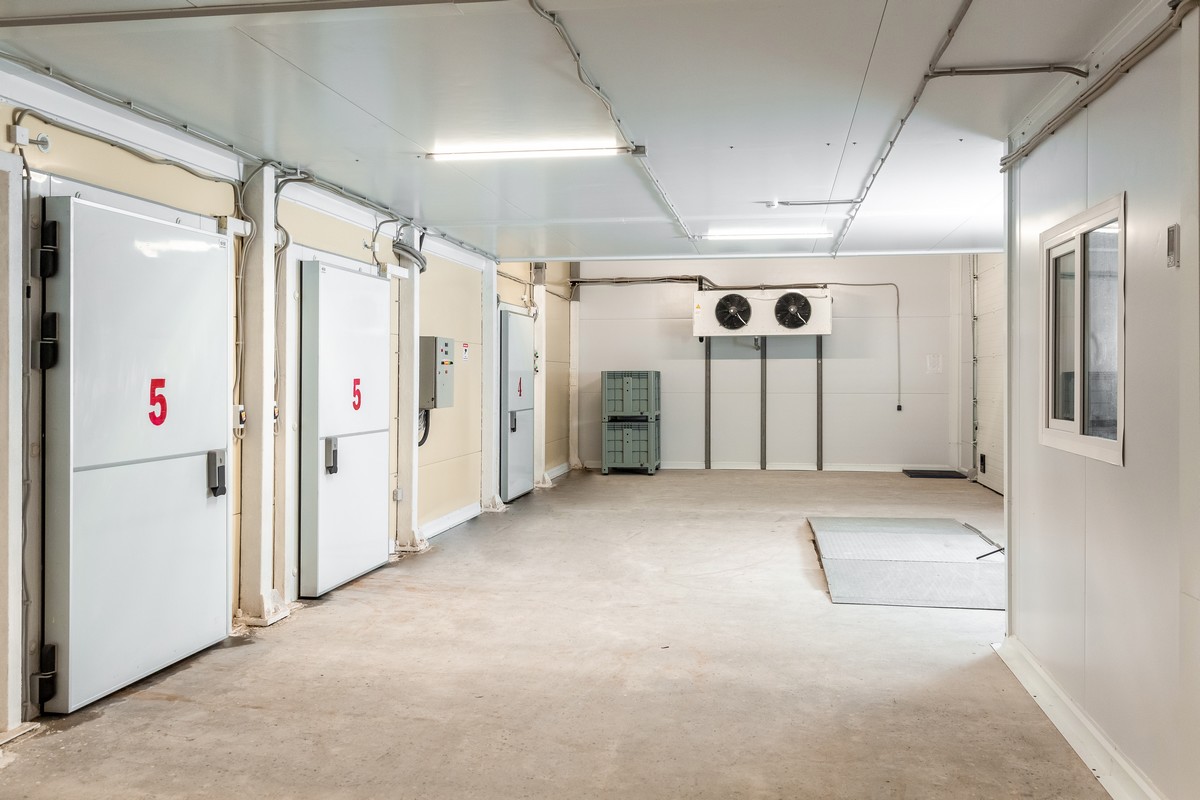
Internal wall insulation consists of lining the internal walls with thermal insulation. In other words, the insulation must be integrated on the inside face of the walls. The insulators generally used are insulating plates (Sandwich panels), which are fixed to the wall either by screwing or by gluing. In all cases, the insulation must be efficient to limit heat loss and subsequently reduce energy bills, and not too thick to avoid overheating in summer. The insulation used must not reduce the living space. And that is precisely why it is strongly recommended to use “Sandwich” panels.
SYNTEC REFRIGERATION IS specializes in the sale and installation of Sandwich panels throughout the VAR.
Conseils à suivre pour bien réussir son isolation thermique
The thermal insulation of a house is very necessary because it limits heat loss. In fact, according to studies, 30% of the heat escapes through the roof and attic, 25% is lost through the walls, 10 to 15% through windows and doors, and 7 to 10% through the floors. So, for successful thermal insulation, it is important to take certain parameters into account. First of all, you have to take into account the regulations in force. In addition, there is aid granted by the State in the context of the thermal renovation of a house, conditioned by a list of work to be carried out in terms of lost attic insulation, and suitable equipments. It is also important to perform a heat balance. Since this allows you to assess the rate of heat loss, and especially to establish by what means the heat escapes from the house. It is also necessary to try to understand the principles of thermal conductivity and resistance, thermal inertia, and the effusivity of materials. It is a question of determining the type of insulation suitable for the thermal insulation work to be carried out, and of evaluating their performance.
Finally, you have to track down thermal bridges, which are the places where the thermal envelope of a house is broken. In other words, it is through these interstices that the heat escapes. Also, the determination of thermal bridges is a very important step.